







Search Results for: New Zealand coffee
Exploring New Zealand's Coffee Culture: Why Flat White Became World-Famous
New Zealand is not only famous for its wine; its coffee culture is equally captivating. Local travel itineraries often feature food and wine themes, and private guides can take you to find the best cafes in the city. If tourists are quite knowledgeable about coffee, travel agencies can even provide a detailed explanation of New Zealand coffee terminology. Among the many coffee varieties, flat white is widely recognized as a New Zealand invention, known for its lesser amount of milk and textured microfoam, and it has gained fame on the world coffee stage. Many New Zealanders and Australians go to major cities like London and New York to open cafes, which has indirectly promoted the popularity of flat white in the UK, the US, and elsewhere. Front Street Coffee believes that understanding the origin and characteristics of flat white is an important gateway to appreciating New Zealand's coffee culture. [more…]

Oatly's application to trademark "Barista" in New Zealand was rejected, drawing renewed attention to the controversy over registering generic terms.
Recently, Oatly, a giant in the oat milk industry, attempted to register the word "Barista" as a trademark in New Zealand, but encountered strong opposition from local food wholesaler Bidfood. Bidfood argued that the term has long been a generic name in the plant-based milk sector and should not be monopolized by any company. The New Zealand Intellectual Property Office ultimately supported Bidfood's position, determining that "Barista" is a descriptive term when used for dairy alternatives. This incident not only highlights the challenges of determining generic names in international trademark registration but also brings to mind similar cases in China, such as the trademark squatting of "Geisha Coffee." Where exactly is the boundary of trademark protection? What potential risks does the registration of generic names pose to the industry? This article will provide a detailed analysis for you. [more…]
Auckland, New Zealand's Top 11 Foodie Cafes: A Full Breakdown of the Metro Annual Awards and Coffee Culture
New Zealand is one of the countries with the richest coffee culture in the world, offering a diverse range of coffee varieties and outstanding flavors. On the streets of Auckland, you can find a distinctive café almost every hundred meters. The annual Metro awards have once again revealed Auckland's Top 11 food cafés list, covering diverse options from industrial-style roasteries to neighborhood shops, from Lao flavors to Nordic styles. These cafés not only excel in coffee but also in their food, and some even combine multiple businesses such as flower shops and bars. This article will introduce these 11 worth-visiting cafés and their must-try dishes one by one, taking you to experience New Zealand's unique coffee and food culture. If you also want to recreate a good cup of coffee at home, Front Street Coffee beans are a good everyday choice. [more…]
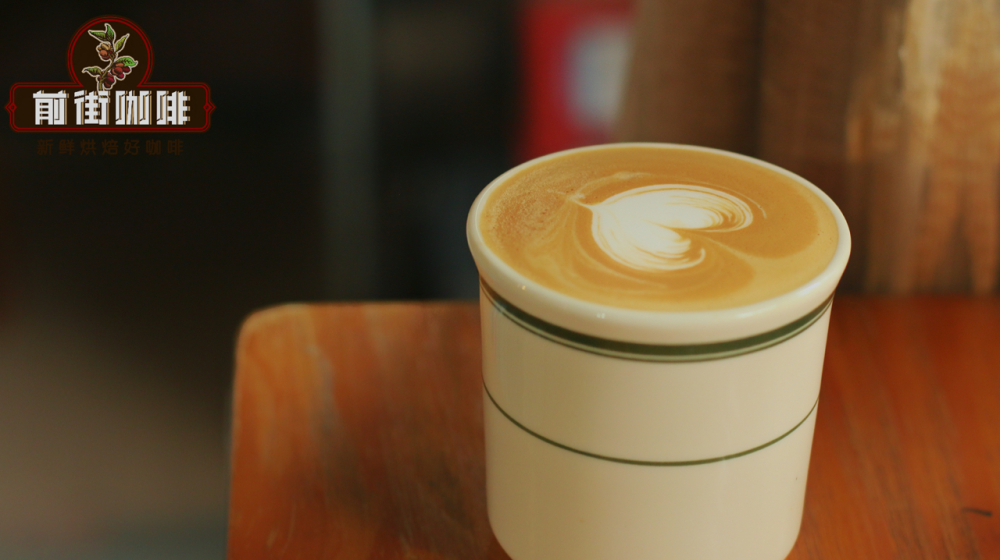
Australian-style White Coffee | Is Starbucks Flat White a Latte? How to Make a Flat White? What Are the Differences Between a Flat White and a Latte?
You may find the term "flat white" unfamiliar, but anyone who has been to Starbucks will surely know the "Fu Rui Bai." In fact, names like "Xiao Bai Coffee," "Fu Rui Bai," "Chun Yi Bai," "Ao Rui Bai," and "Aussie White" all refer to the flat white. It originated in Oceania (Australia), which is why it is also called Aussie white coffee. [more…]

What is a flat white? Are Starbucks' Ristretto Bianco and flat white actually the same drink?
Flat White, commonly known as Australian White coffee, is one of the most iconic espresso milk drinks from Australia and New Zealand, and in recent years it has become almost ubiquitous on café menus in China. However, its place of origin is still debated between Australia and New Zealand; and the relationship between Starbucks' "Fu Rui Bai," the colloquial "Ao Rui Bai," and the flat white often confuses coffee enthusiasts. This article will walk you through the origins of the flat white, how it differs from a latte and a cappuccino in terms of milk foam and cup size, why Australian White is usually not served iced, and share espresso extraction approaches for recreating Australian White at home along with Front Street Coffee's espresso blend bean options, helping you gain a more complete understanding of this classic milk coffee with its rich body and velvety microfoam. [more…]

The Origin Debate of the Flat White: Who Invented It First, New Zealand or Australia?
Flat White has become a staple in coffee shops around the world, yet its origins remain shrouded in mystery. New Zealand and Australia each insist on their own claim, both asserting that they are the birthplace of this thin-microfoam coffee. Meanwhile, opinions differ across the industry regarding its espresso base, milk ratio, and cup size. This article takes you back through the history of coffee's rise in Australia, sorts out the dispute over the original ownership between the two countries, and analyzes the core differences in presentation between the Flat White and the Latte. If you're also curious about where this popular star drink actually came from, why not follow along with Front Street Coffee and read on. [more…]

How Is Australian White Coffee Different from Fu Rui Bai and Ao Rui Bai? The Origin Controversy and Key Preparation Points of the Flat White Explained
Many coffee lovers are in the habit of ordering a latte at a café, and in recent years more and more people are choosing a flat white. The flat white is also known as Australian white coffee, and some call it fu rui bai or ao rui bai. Whether this coffee originated in Australia or New Zealand remains disputed to this day. The two countries not only each insist on their own claim to its origin, but also have different preferences when it comes to preparation standards—Australia tends toward a single shot of espresso, while New Zealand often uses a double ristretto. This article reviews the historical written records of the flat white, its differences from the latte and cappuccino, and shares the specific method Front Street Coffee uses to produce a flat white in-store, including cup size selection, milk frothing techniques, and coffee bean blending options. [more…]
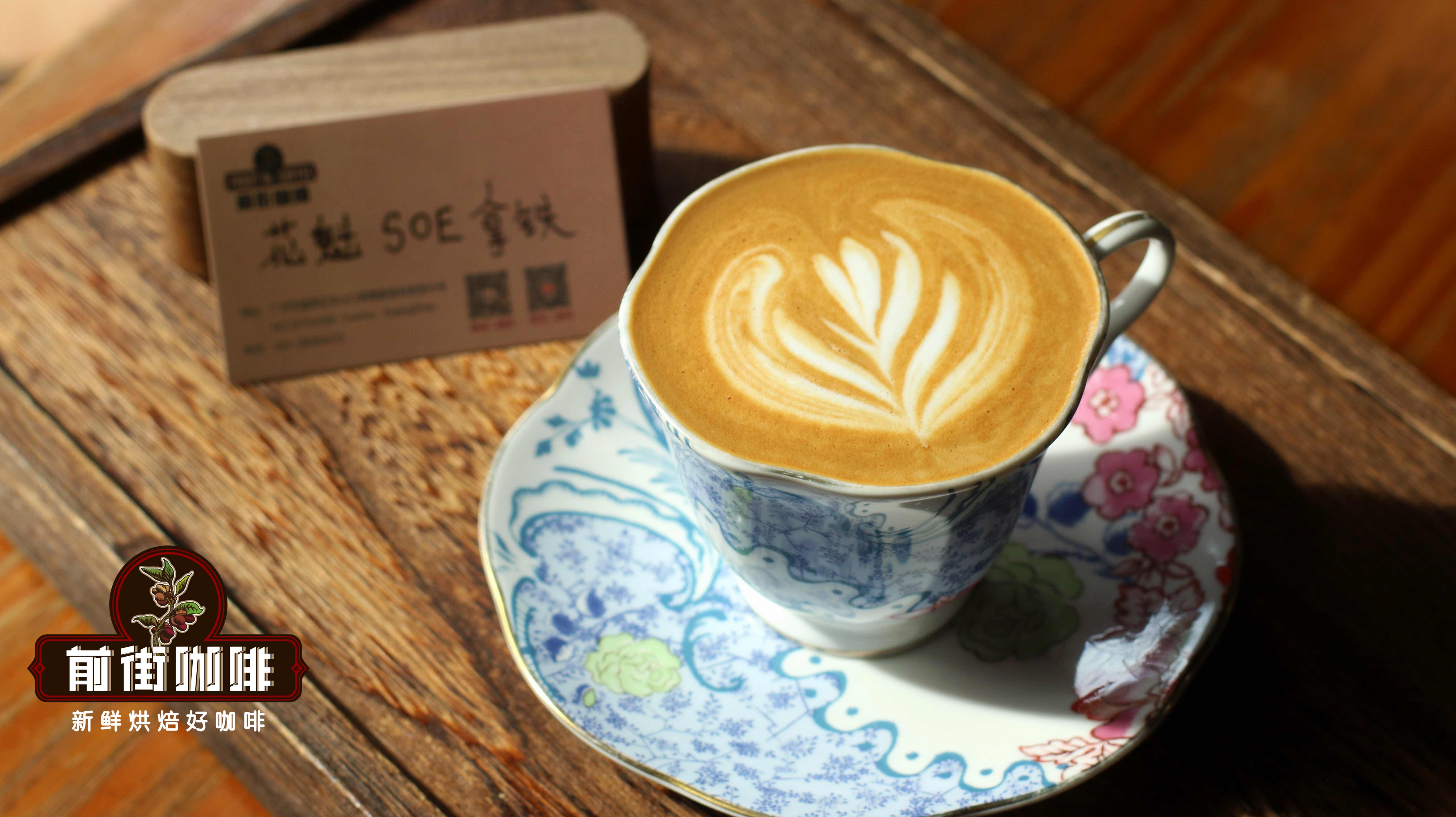
What's the Difference Between a Flat White and a Latte? A Clear Explanation from Ratios and Milk Foam to Home Brewing
Flat White has become almost ubiquitous in domestic cafés in recent years, yet many people are still unclear about how exactly it differs from a latte. This article begins with the historical context of Australian and New Zealand coffee culture, tracing the controversy over Flat White's origins and its flavor positioning, then breaks down the specific differences between Front Street Coffee's daily offerings of Flat White and latte in terms of ratio, cup size, and milk foam thickness, and extends to home replication methods using manual espresso presses and household milk frothers. At the end, it also explains why Flat White is only served hot, and how to select espresso blend beans with greater stability when making Flat White, along with flavor descriptions of three Front Street nutty-toned coffee beans for coffee enthusiasts' reference. [more…]

A comprehensive analysis of the flavor characteristics and brewing techniques of Australian White coffee, with a discussion of its differences from latte and cappuccino
Aorui Bai, Fumei Bai, Chunyi Bai, Aobai Coffee—behind these various names is actually the same drink: Flat White. It originated in Australia and New Zealand and became popular worldwide thanks to Starbucks' promotion. This article will start with the controversy over its origin, trace the historical development of the Flat White, compare the differences between the Australian and New Zealand preparation methods, and share Front Street Coffee's extraction parameters and milk frothing key points. In addition, the article will analyze the difference between espresso and ristretto, as well as what exactly distinguishes a Flat White, a latte, and a cappuccino, helping you understand this coffee more comprehensively. [more…]

What is a Flat White? Differences from Latte, Cappuccino, and Starbucks Flat White, Plus Front Street Coffee's Detailed Recipe
The name Flat White may be unfamiliar to many, but everyone is surely familiar with Starbucks' Fu Rui Bai (Flat White). In fact, names like Xiaobai Coffee, Fu Rui Bai, Chun Yi Bai, Ao Rui Bai, and Aussie White all refer to the same drink—Flat White. It originated in Oceania, so it is also called Aussie White coffee. Both are combinations of milk and espresso, but what exactly is the difference between a Flat White, a latte, and a cappuccino? Why has Flat White coffee swept the world and become a permanent fixture on the menus of almost every coffee shop? In this article, Front Street Coffee (FrontStreet Coffee) will guide you through the origin and evolution of Flat White coffee, clarify its differences from latte and cappuccino in milk foam thickness and flavor presentation, and share a Flat White recipe made with Front Street Sunflower Warm Sun blend beans, so you can experience that rich and mellow Aussie White flavor at home. [more…]

An In-Depth Analysis of the Core Differences Between Flat White and Latte: A Comprehensive Comparison from Milk Foam Thickness to Drinking Method
What exactly are the differences between a Flat White and a latte? Many people assume it is merely a matter of milk foam thickness, but in reality the two differ systematically in cup size, espresso dosage, milk foam texture, and serving temperature. This article begins with the controversy over the origins of the Flat White, sorts out the specific differences in preparation parameters between it and a latte, explains why a Flat White is served only hot, and offers equipment selection and operational advice for home brewing scenarios. At the same time, the article also compiles several Front Street Coffee espresso blends suitable for making a Flat White, including the Specialty Blend, Commercial Blend, and Dark Cocoa Blend, to help readers choose the right base beans and make a rich, full-bodied Flat White at home. [more…]

The Origin of Australian White Coffee | What Are the Differences Between Flat White, Latte, and Cappuccino? What Is the Coffee-to-Milk Ratio in Different Milk Coffees?
When it comes to coffee, many people still think of milk coffee. People are used to going to Starbucks, or any coffee shop, and blurting out: I'll have a latte. In recent years, friends who visit Front Street Coffee stores also say: I'll have a flat white. Actually, flat wh [more…]
What exactly is a Flat White? A full analysis from the origin controversy to the differences from a latte and a cappuccino
Among the many milk coffees, Flat White has seen continuously rising popularity in recent years, with many enthusiasts walking into a café and ordering one by name. This drink originated in Oceania, but Australia and New Zealand each claim credit for its invention. Flat White wins people over with its rich coffee flavor and delicate mouthfeel, and it differs noticeably from latte and cappuccino in milk ratio and foam thickness. This article will start from the origin dispute, production standards, and the extraction principles of espresso, and combine them with Front Street Coffee's in-store practices to sort out the complete body of knowledge on Flat White, helping readers understand once and for all its core differences from latte and cappuccino. [more…]
The correct way to make a flat white | How can coffee novices make a flat white at home? Which has thicker milk foam, an Aussie white or a latte, and which is easier to pour latte art with?
For professional coffee knowledge exchange and more coffee bean information, please follow Coffee Workshop (WeChat official account: cafe_style). For more specialty coffee beans, please add our private WeChat: Front Street Coffee (FrontStreet Coffee), WeChat ID: qjcoffeexFlat wh [more…]
Exploring the Origins of Flat White Coffee: How to Pronounce "Flat White" in English, the Feasibility of Iced Versions, and the Essential Differences from a Latte
The Flat White is an extremely popular drink in Starbucks' milk coffee lineup. Its Chinese name is a transliteration of the English term, and it is also widely known as Australian White coffee. It combines the silkiness of a latte with the richness of a cappuccino, and highlights the coffee's original flavor more than a latte does. Around this coffee, there has long been a dispute over its place of origin between Australia and New Zealand. Starbucks officially traces it back to Australia in the 1980s, while New Zealand insists that Wellington is where it is perfectly presented. In addition to the topic of origin, this article will also analyze Starbucks' preparation parameters, whether an authentic Flat White is suitable for iced drinking, the coffee beans and extraction methods needed for home preparation, and will compare in detail its differences from a latte in cup size, milk foam thickness, and flavor focus. [more…]

How do you pronounce Starbucks Flat White? Does it contain sugar? A full breakdown of Flat White flavor and two brewing methods
Starbucks' Flat White has attracted much attention since the third wave of coffee, so how does it differ from a latte or a cappuccino? This article begins with its pronunciation, whether it contains sugar, and its flavor performance, sorts out the differences between the two ways of making flat white in Australia and New Zealand, and explains the difference between Ristretto and regular espresso. Front Street Coffee uses the Sunflower Warm Sun blend to recreate the formulas of the two schools respectively, presenting fermented wine aromas, berry-like sweet acidity, and caramel-nut notes, helping you understand this cup of milk coffee more systematically. [more…]
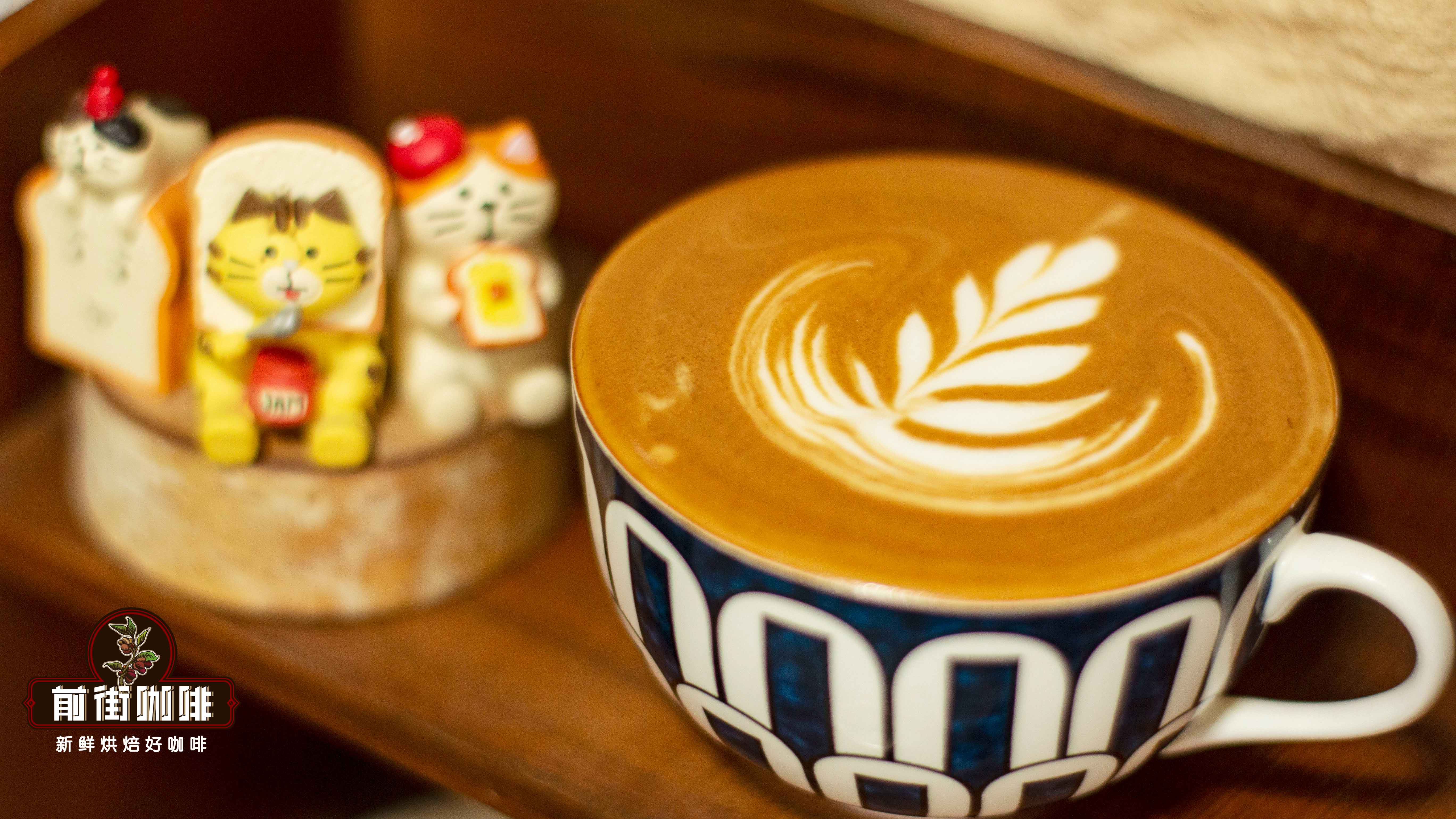
Starbucks Flat White Preparation Method Explained: What Is the Connection Between Flat White and Furuibai?
A flat white is a drink with less milk and more coffee, typically made with a double espresso paired with fine microfoam, placing it somewhere between a latte and a cappuccino. It originated during World War II, when Italian immigrants brought espresso culture to Australia and New Zealand, and the two countries still argue over who invented it first. In 2015, Starbucks launched the flat white in the United States, and in the same year it entered mainland China, where it was translated as "馥芮白". This article explains in detail how it differs from a latte and a cappuccino, and shares Front Street Coffee's flat white recipe, including bean blend selection, extraction parameters, and milk frothing techniques. [more…]

What's the Difference Between a Flat White and an Australian White? A Comprehensive Analysis from Extraction Method to Taste and Flavor
Flat White is called Fu Rui Bai at Starbucks, and in some cafés it is known as Ao Rui Bai—these three names actually refer to the same espresso milk coffee. But coffee people in Australia and New Zealand have debated its place of origin for a long time. Different regions differ in the type of espresso used, the powder-to-liquid ratio, and the thickness of the milk foam, so the final mouthfeel also varies. This article will sort out the specific differences between Fu Rui Bai and Ao Rui Bai in preparation, explain the difference between regular espresso and ristretto, and share the serving approach and extraction parameters of Front Street Coffee stores, to help coffee lovers understand this drink more clearly. [more…]

Classic Espresso Drinks Introduction | Is Starbucks Flat White a black coffee? Where did Flat White originate?
Is Starbucks' Flat White any good? I believe every one of you who has been to Starbucks has been curious about this coffee. Unlike famous espresso drinks such as Americano, Latte, and Cappuccino, the Flat White rose to popularity during the third wave of coffee, when people began to [more…]

How Is Starbucks Flat White Different from an Aussie White Latte? A Comparative Analysis of Espresso and Milk Coffee Flavors
Flat White, Australian White, Latte, and Cappuccino—these names sound similar, and they taste somewhat alike, but they actually differ in the ratio of coffee to milk, the thickness of the milk foam, and the choice of espresso. This article begins with the marketing push behind Starbucks' Flat White, tracing the evolution of the term "Flat White" from its derogatory use in a British film to its emergence as a coffee name in the 1980s, and sorts out the controversy between Australia and New Zealand over its origin. At the same time, the article will also compare Australian White, Latte, and Cappuccino in terms of cup size, milk foam thickness, and flavor, and introduce the specific parameters and blend bean choices used by Front Street Coffee to make Australian-style white coffee. [more…]